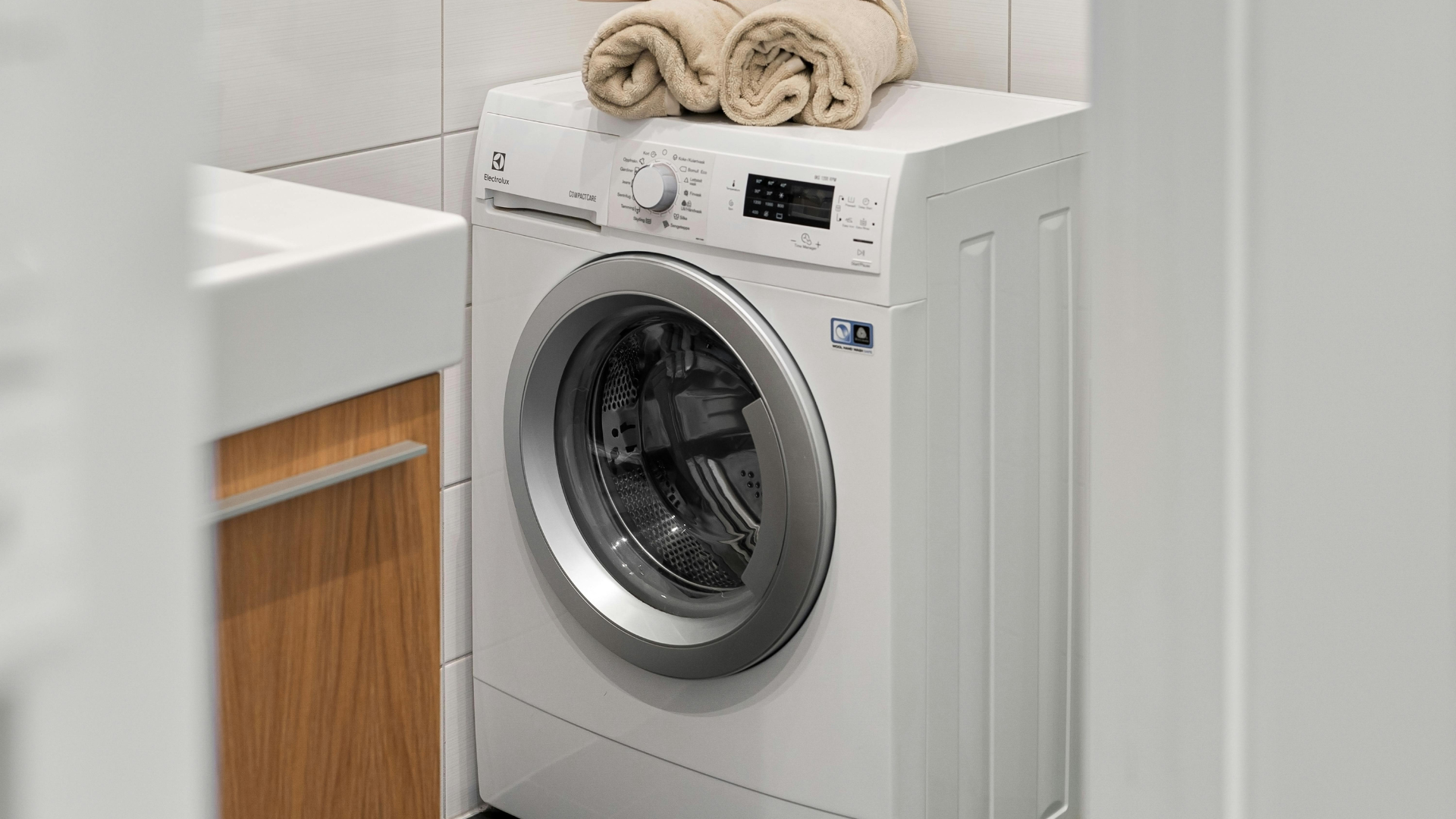
A fully functioning washing machine is one of the most critical conveniences in any modern home. When your laundry appliance is working smoothly, it easily manages dirty clothes, towels, and bedding without a second thought. However, because washing machines rely on a complex combination of plumbing, high-speed mechanical components, and delicate electrical controls, even minor issues can quickly escalate into costly home repairs or severe water damage if ignored.
At Elite Mechanical Services LLC, our local technicians frequently help homeowners catch laundry room problems early—saving them money and preventing premature equipment replacement. Below are five crucial warning signs that your washing machine requires professional inspection and repair before a minor glitch turns into an emergency.
—
1. Excessive Vibration, Shaking, or Unusual Loud Noises
While every washer produces a gentle hum during operation, violent shaking, loud banging, or metal-on-metal grinding noises are clear indicators of mechanical trouble.
- Unbalanced Drum or Worn Shock Absorbers: Front-load and top-load washers rely on internal shock absorbers, suspension springs, and counterweights to stabilize heavy loads during spin cycles. When these components wear out, the tub will slam against the frame.
- Failing Main Tub Bearing: If your washer sounds like a jet engine taking off during the spin cycle, the main tub bearing is likely failing or water has leaked past the seal into the bearing assembly.
Ignoring severe shaking can crack the outer tub, ruin internal frame supports, or damage surrounding walls and flooring.
—
2. Water Leaking On the Floor
Puddles forming around your washing machine should never be ignored. Water leaks not only damage subflooring and drywall, but they can also create mold hazards in your laundry room.
Common causes of washing machine leaks include:
- Cracked or Worn Supply Hoses: The rubber or braided stainless-steel hoses connecting your water valves to the unit degrade over time under constant pressure.
- Damaged Door Boot Seal: Front-load washers use a thick rubber gasket around the door opening. Small tears, punctures, or debris buildup can break the watertight seal.
- Failing Drain Pump or Internal Tub Seal: Internal leaks often stem from a cracked drain pump housing or a worn main seal beneath the agitator or tub.
—
3. The Washer Drum Will Not Drain Properly
Opening your washing machine at the end of a cycle only to find a tub full of soapy, standing water means your drainage system has failed. When water fails to drain, the unit cannot proceed to the high-speed spin cycle, leaving your clothes soaked.
Drainage failures are typically caused by:
- Clogged Drain Pump Filter: Coins, socks, lint, and small objects trapped in the pump filter block water flow.
- Burnt-Out Drain Pump Motor: Electrical failure in the pump motor prevents it from impelling water out through the standpipe.
- Kinked or Blocked Drain Hose: Ensure the exterior drain line behind the unit isn’t pinched against the back wall.
—
4. Clothes Come Out Soaking Wet After the Spin Cycle
If your washer completes its full program but your laundry is still heavy and dripping with water, the spin cycle did not achieve sufficient speed to extract moisture.
This issue often points to:
- Worn Drive Belt or Motor Coupling: Over time, drive belts stretch, slip, or snap, preventing the motor from spinning the tub at full speed.
- Faulty Door Latch or Lid Switch Assembly: For safety reasons, washing machines will not initiate high-speed spinning if the control board senses that the door or lid switch is unlatched or defective.
- Defective Water Level / Pressure Switch: If the pressure switch incorrectly senses that water remains in the tub, the control board will lock out the spin routine.
—
5. Foul Odors or Mold Buildup Inside the Drum
A musty odor emanating from your washing machine transfers directly to your clean clothes. Mold and mildew thrive in dark, moist environments—especially inside front-load door gaskets and detergent dispenser drawers.
While running a hot wash cycle with vinegar or specialized washer cleaner can remove surface residue, persistent odors often indicate mold colony growth in trapped, stagnant water behind the outer drum. Professional disassembly and cleaning of the internal tub assembly may be required to resolve deep-seated bacterial growth.
—
What to Do When Your Washer Shows Warning Signs
If you notice any of these signs, avoid continuing to run heavy loads, as running a malfunctioning unit can cause total mechanical breakdown or severe water damage to your home.
Schedule a professional washing machine repair so our certified technicians can perform precise diagnostics and restore your laundry room to optimal performance. Keeping your laundry equipment in top shape is easy when you enroll in annual maintenance plans designed to protect your home’s most essential mechanical systems.
—
SEO Metadata
- Meta Title: 5 Warning Signs Your Washing Machine Needs Immediate Repair
- Meta Description: Is your washer shaking, leaking, or failing to drain? Discover 5 signs of washer failure and schedule fast, local repair with Elite Mechanical Services LLC.
—
Contact Our Appliance Repair Services Team in Maryland
At Elite Mechanical Service, keeping your home running comfortably is our top priority. As a trusted, locally owned business serving Maryland since 2019, our NATE-certified technicians specialize in fast, same-day repair for all major kitchen and laundry appliances—including refrigerators, washing machines, dryers, dishwashers, ovens, stoves, microwaves, and garbage disposals. We proudly serve homeowners across Maryland (including Bowie, Upper Marlboro, Clinton, Fort Washington, and Greenbelt). Whether you need routine maintenance or emergency 24/7 service, give us a call today at (240) 484-0269 or book online for expert repairs you can count on.
Service Details & Hours
- Hours: Available 24/7
- Primary Service Areas: Anne Arundel County & Prince George’s County